M.N
6 Days to Ship!
32
December 20th, 2024. One email changed my Christmas plans:
Framer Awards 2025, deadline December 31st.
This is the story of how I turned constraint into competitive advantage.
Hello and welcome to my framer submission!
48
96
24
Beautiful animations weren't optional. In a Framer competition, motion design is the language itself—proof you understand the craft. But I couldn't afford complexity for complexity's sake. Every animation needed to earn its place: smooth scroll triggers timed to reading rhythm, transitions that guide without announcing themselves, micro-interactions that feel inevitable rather than clever. Show skill without showing off. The hardest challenge wasn't technical—it was trust.
How do you establish credibility when you're documenting a rushed build in real-time? By being honest about the constraints, transparent about the trade-offs, and obsessive about the details that create delight. Because judges don't need perfect work. They need remarkable work. And remarkable comes from knowing exactly what you're trying to say, then saying it with conviction.
96
16
24
248
The timeline was non-negotiable. December 21st to December 28th. Seven calendar days, but only six working days once I removed Christmas and Sundays. No extensions. No compromises on what matters more than work.
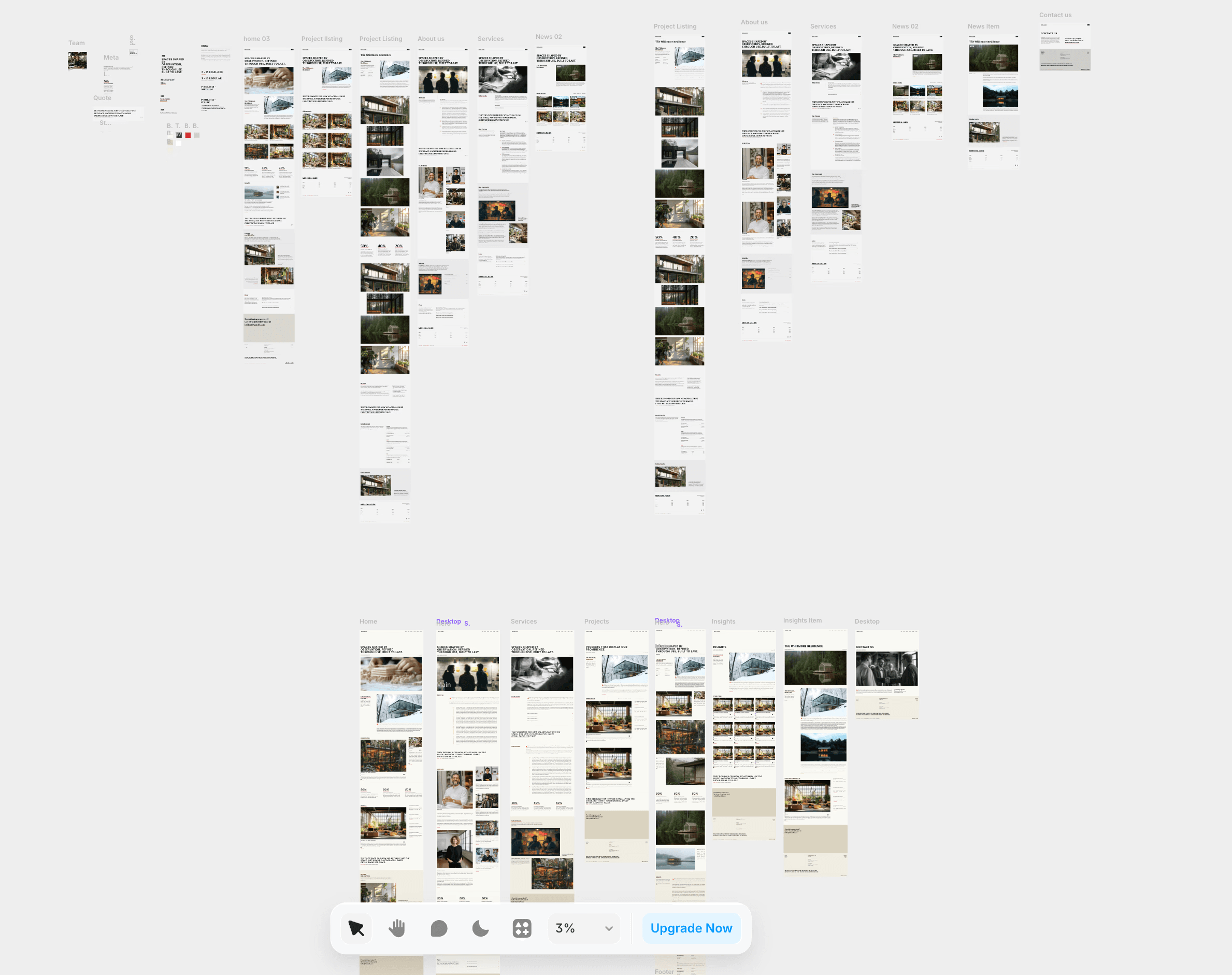
Editorial sophistication became the filter for every design decision. Not technical complexity, not feature richness—editorial sophistication. The kind of restraint you see in Kinfolk or Monocle, where space and typography do more work than decoration ever could.
With six days, I couldn't compete on breadth. I had to compete on point of view. Typography became the entire visual language. Inter for body text. A confident display font for headings. Near-black for text, one accent color used sparingly, shades of gray, off-white backgrounds. Spacing followed an 8px base unit, scaled exponentially.
"The constraint wasn't an excuse for mediocrity—it was a forcing function for clarity."
248
32
248
How do you establish credibility when you're documenting a rushed build in real-time?
48
96
32 Hours: being honest about what those hours mean. Thirty-two hours isn't a lot of time—it's barely four full workdays. But it's enough if you know what matters. Enough for a typography system that carries the entire design. Enough for animations that prove craft without showing off.
Enough to ship something remarkable if you're ruthless about cutting everything that isn't essential. The constraint doesn't limit creativity—it focuses it. Every hour had to count. Every decision had to eliminate ten other decisions. This is what thirty-two hours of intentional work looks like when you start with strategy, not tactics.
96
96
48
16
96
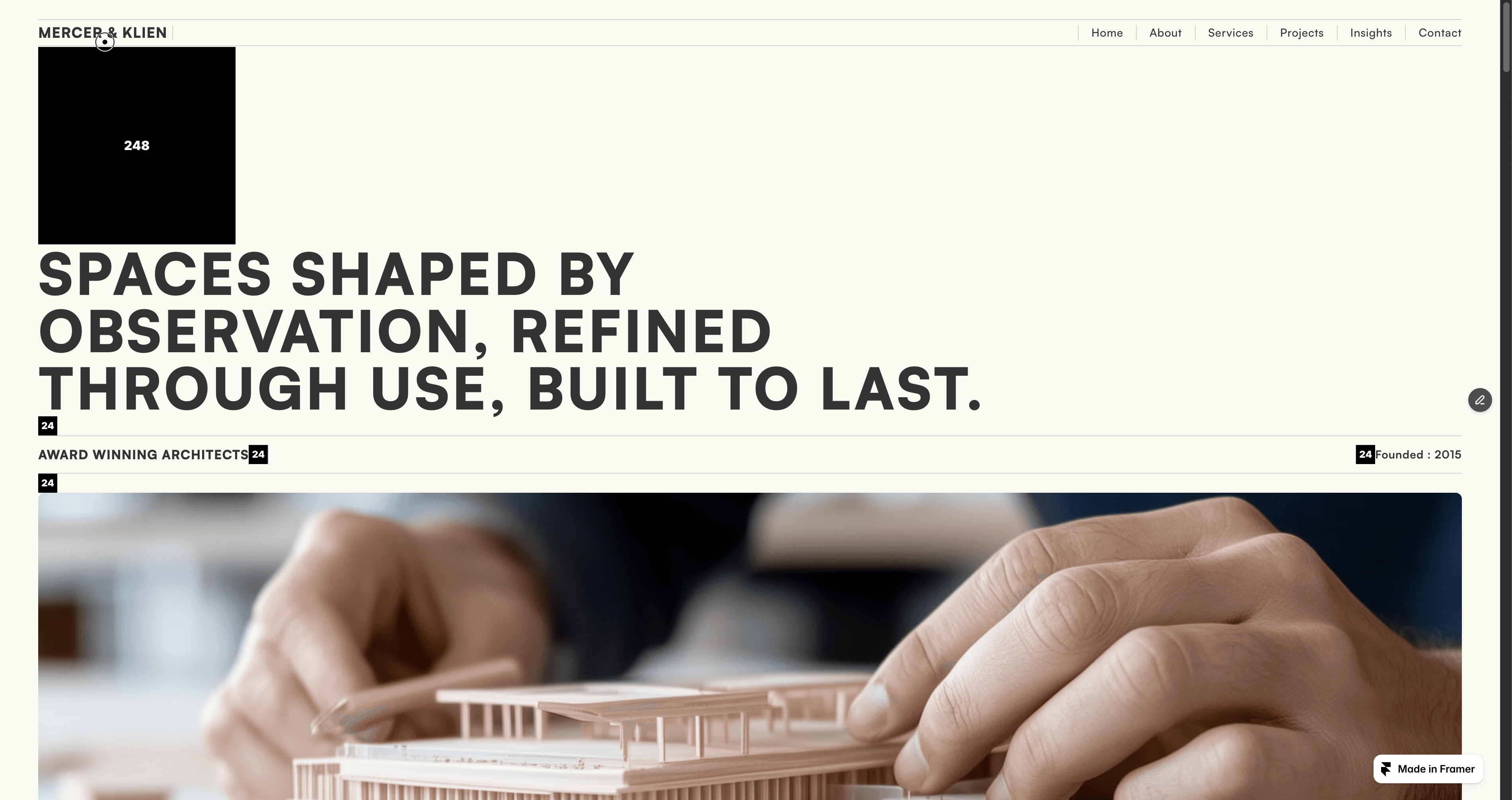
I designed three versions of the hero section. The first was too clever, the second too safe.
48
The third was simple but confident— large display type with asymmetric alignment that created tension without chaos. Version three won because it did one thing perfectly rather than three things adequately.
Typography would carry the narrative. Images would provide proof. That meant being ruthless about image selection—every screenshot needed to teach something or prove a point. Failed experiments taught me more than successes. I tried dark mode, multiple accent colors, decorative elements—they all felt like I was trying too hard when the typography already had enough presence.
One long scroll became the structure. Like a magazine feature that reveals itself as you read. Mobile-first design meant everything had to work at 375px before expanding to desktop.
Framer's strength is in motion, but I couldn't afford to waste time. I built a system of simple, purposeful interactions: hero title entrance (800ms), section transitions on scroll, hover states (200ms). Three moments executed well, restraint everywhere else.
Component architecture was intentionally flat. Ten components total. A card, a section wrapper, clean reusable pieces. The technical challenge: responsive typography using viewport width units and CSS clamp functions. Took four hours. Worth it.
Performance mattered. Compressed everything to WebP, lazy loading, sub-2-second load time on 3G. By day five, the site was functional. Days six and seven were pure refinement.
96
96
96
136
Mauro Nappolini - Creative Developer & Advisor
96
Hello@mauro-nappolini.com
By combining strategy and creative development, I help businesses move from competing on price to competing on value.
96
For the past four years, I've helped creative professionals transform how they position and price their work. By combining strategy and creative development, I help businesses move from competing on price to competing on value. Whether you're a creative agency looking to elevate your positioning or need premium Framer and Webflow templates that reflect editorial sophistication, let's talk.
96
136
Your data is your own!
24